
Tag: Fort Worth

TBRI® Partnering with Parents

For years, ACH Child and Family Services has relied on Trust-Based Relational Intervention® (TBRI) to build trust and connection with vulnerable children. For more than a year, ACH has also offered TBRI  Partnering with Parents to families in the child welfare system. This service provides TBRI training that is tailored for parents and caregivers, so they can  build a strong  family connection through empathy and understanding.
TBRI was developed by and is the
signature therapeutic model of
Texas Christian University’s
Karyn Purvis Institute of Child Development.

These are stories of three graduates of the certification program.
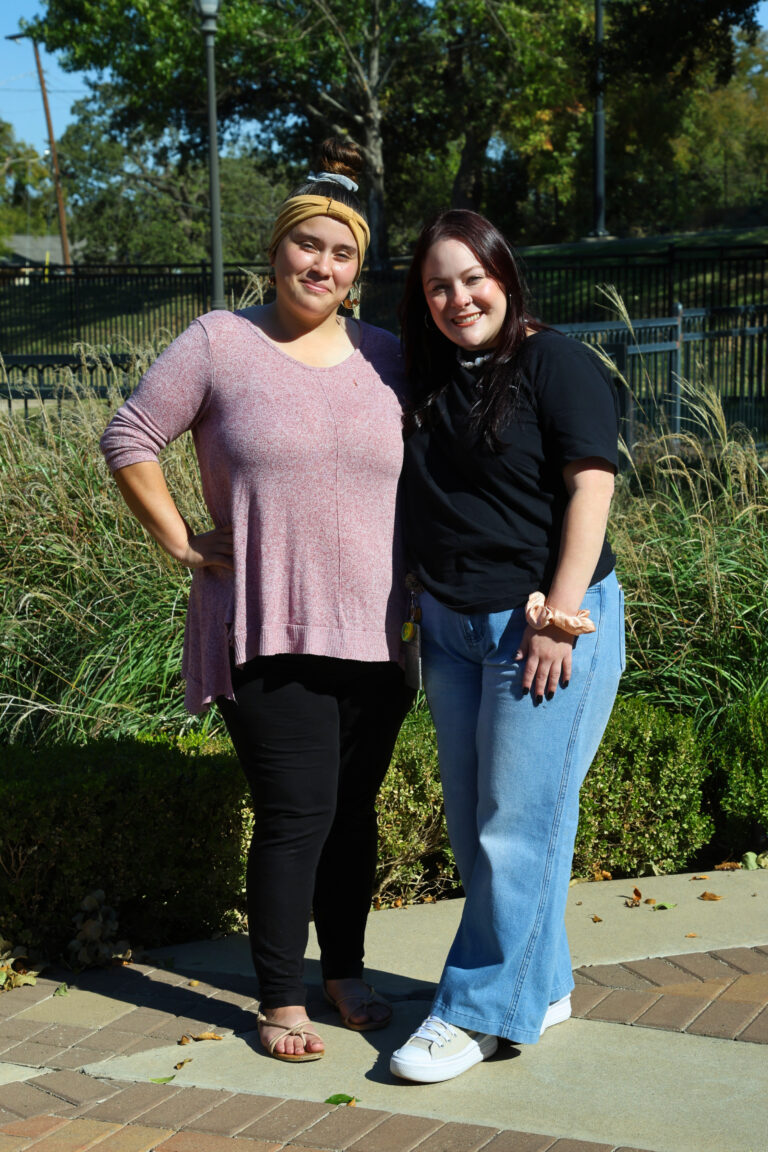
Alyssa and Malee

Healing through connection: A mother’s journey with TBRI®

What follows is a heartfelt letter from Alyssa G. to ACH TBRI Parent Educator Malee Sims. Alyssa is a mother who has experienced the transformative power of TBRI after reuniting with her foster children. Her story is a testament to the resilience and strength of families who face challenges head-on and emerge stronger together. Malee says she is honored to have trained Alyssa in the TBRI Partnering with Parents certification program.   

Leading and witnessing a mother’s transformation

ACH TBRI Parent Educator Malee Sims describes a success story with Nakeia H., a recent TBRI Partnering with Parents graduate. Nakeia didn’t want to tell her son “no” until she reflected on her on her past, her own mother’s discipline troubles, and what happens when you fail to take control.

Yet More Praise from a TBRI Partnering with Parents graduate

When I first met Malee, I was pregnant and my emotions were all over the place. I honestly didn’t know what to expect and was afraid I might be judged. But the moment I opened up, she welcomed me with so much understanding and kindness. She introduced me to TBRI®, which focuses on helping children who come from hard places and the need to feel safe and understood.

“I’ve learned to stay calm, to connect, and to guide them with love and patience.”

-- Daijahne

What meant the most to me was how the things I learned not only helped my kids, but it helped me too. I began to see their behaviors differently not as defiance, but as communication. They’re still learning how to express themselves, and sometimes it comes out in ways that are hard. But with the tools Malee gave me, I’ve learned to stay calm, to connect, and to guide them with love and patience.

Since working with Malee, my son has hardly been in timeout. We understand each other so much better now. I’m so grateful for her guidance — it’s truly changed our home. I know that when they fully come home, we’re going to have a lot of amazing things to learn about each other.

— Daijahne H.

While this program is for families in the child welfare system, ACH also offers youth and family counseling at no charge.

Find out more here or call 817.335.HOPE (4673).

Leading and Witnessing a Mother’s Transformation

ACH Child and Family Services utilizes Trust-Based Relational Intervention® (TBRI®) to build trust and connection with vulnerable children. TBRI is so effective, ACH also trains parents in the child welfare system so that the family benefits as a whole. Here, ACH TBRI Parent Educator Malee Sims describes a success story with Nakeia H., a recent TBRI Parenting Partnership “graduate.”

A difficult first impression…

Nakeia couldn’t understand her 13-year old son’s, aggressive, explosive, unpredictable behavior. In fact, Julian’s behavior was responsible for their evictions from several apartments.  She knew she needed help and that’s why she decided to enter joint managing conservatorship with Child Protective Services.

“When I met him, he lacked the skills needed to effectively communicate what it is that he needs,” says Malee. “He resorted to attempting to communicate through his behaviors but was almost always misunderstood. He was suffering from being constantly frustrated.”

“On the other hand, initially connecting with Nakeia was difficult because she was resistant to the techniques of the training,” says Malee. “She didn’t want to accept alternatives to saying ‘no.’”

“TBRI is an evidence-based intervention model. It’s not about gentle parenting or being a millennial parent.”

Malee Sims
ACH TBRI Parent Educator

Looking back, Nakeia agrees.

“If I could do my first two meetings over again, I would,” she says. “I came in hot. I came in with an attitude. I came in with the mindset of ‘No one can tell me anything that I don’t already know about a child that I’ve been raising on my own for all his life . . .no parent is perfect.’”

…with nowhere to turn

At one point during the open case (which was officially closed in August), Julian returned home, with his behaviors still being a problem. However, this time she had little support from the child welfare system. Because Nakeia still did not feel equipped to manage Julian’s behavior, the first return home failed and Julian wound up back in various RTC’s and behavioral hospitals.

Ayden returned home again during the time Nakeia was working with Malee at ACH. This time, Nakeia was living in her car because of her record of Julian-related evictions. To make matters worse, Julian was on probation in the juvenile justice system. No apartment would accept them, so they moved in with Nakeia’s mother.

Unfortunately, Nakeia’s mother was really hard on Julian. She failed to recognize he was just trying to adjust to being back home. The grandmother had zero tolerance for what Malee describes as “normal” teenage behaviors. Malee told Nakeia that the issue wasn’t as much about Julian’s behavior as it was her mother’s. And, by not taking control, she may have actually contributed to their situation.

A lightbulb moment turns into a brighter future

In TBRI Caregiver meetings with Malee, Nakeia learned that parenting is perfect maybe 30% of the time at most. The rest of the time is considered rupture and repair, which is how you learn and grow. In this “scaffolding” process, you learn where you are at and then move on.

“TBRI is an evidence-based intervention model. It’s not about gentle parenting or being a millennial parent,” says Malee.

When Nakeia saw the light, she decided it was best to distance herself and her son from her mother by moving into an extended stay hotel. At the same time, she grew to understand more about Adverse Childhood Experiences (ACEs) and began practicing a technique called Connecting, Empowering, and Correcting.

“I thought I knew it all, and I thought wrong,” says Nakeia. “I learned a lot from TBRI about not only my child, but about myself as well. If I can give anyone one bit of advice to take with you when you go down this journey, it would be that it’s okay to listen, and it’s okay to learn. To trust the process, but most importantly, listen.”

Nakeia and Julian have since been accepted to a housing program, and things are really looking up for them. Julian is on the football team, and for the first time—enthusiastic about school. There are still challenges to overcome, but their future is looking much more promising.

While this program is for families in the child welfare system (CPS), ACH also offers youth and family counseling at no charge.

Find out more here or call 817.335.HOPE (4673).

TBRI was developed by and is the signature therapeutic model of
Texas Christian University’s
Karyn Purvis Institute of Child Development.

Spring Job Fair

Sprig Job Fair

ACH Child and Family Services and Our Community Our Kids are teaming together for our Spring Job Fair on Thursday, March 26. In addition, we’re partnering with the YMCA to bring more meaningful opportunities to you! Swing by the YMCA afterwards located at 2701 Moresby Street.

Click the link below to claim your ticket:

https://www.eventbrite.com/e/spring-job-fair-ach-child-and-family-services-and-our-community-our-kids-tickets-1982035849581?aff=oddtdtcreator

Continue reading

2025 Fort Worth Thanksgiving Meal Resource

The holidays are meant to nourish the mind and body, when loved ones gather and plates are filled with comforting, delicious food. But for many in our community, it’s challenging to provide an entire meal. Whether it’s lack of time or funds, some children and families will not have a holiday spread of turkey, stuffing, cornbread, and other Thanksgiving must-haves. That’s where this Fort Worth Thanksgiving Meal Resource comes into play.

The resource below will help families who need a Thanksgiving meal. Simply click the image below and you’ll be directed to a PDF that has clickable links to local resources, such as the Tarrant Area Food Bank, Operation Turkey, and Taste Project.

Share the Fort Worth Thanksgiving Meal Resource with friends, family, neighbors and anyone who could benefit from a warm meal.

Archie’s Journey to Stability and Growth

When Andrea, an ACH Child and Family Services Kinship Connections specialist, was assigned to Archie’s case, she knew the journey ahead would require patience, empathy, and a strong network of support. Archie, a bright and energetic five-year-old boy, had recently been removed from his mother’s home due to trauma and an episode of paranoia that led to an unstable and unsafe environment.

The trauma Archie experienced left deep emotional scars, and his behaviors were often misunderstood, especially since he also displayed signs of autism. The road to stability and growth for Archie was going to be a long one, but with Andrea’s guidance, both Archie and his aunt, who had taken on the role of his primary caregiver, would soon find a way forward.

The Initial Challenges

Archie’s journey to safety and understanding started when Texas Child Protective Services (CPS) removed Archie from his mother’s home, located in Tarrant County. Since Archie’s father was not in the picture, CPS placed Archie in the care of his Aunt Sarah, a compassionate woman who also lived in Tarrant County. She had always wanted to help Archie but had never anticipated taking on the full-time responsibility of raising him. At first, Sarah struggled to connect with Archie, especially when his behaviors—such as heightened anxiety, meltdowns, and difficulties with communication—began to escalate.

His social interactions were challenging, and he was often misunderstood by family members, school staff, and even peers. Archie’s struggle with language was one of the biggest barriers. He had been raised in a household where only his mother’s language was spoken, and now that he was in a new environment, his lack of English skills made it difficult for him to understand or communicate with others.

Understanding Archie's Behaviors

After CPS placed Archie with his aunt, Our Community Our Kids referred Sarah to Kinship Connections so she could receive additional resources. That’s when Andrea was assigned to the kinship family.

From the beginning, Andrea knew that understanding the root causes of Archie’s behaviors was crucial to helping the family build a foundation of trust and connection. Through close collaboration with Sarah, Andrea identified how Archie’s behaviors were a combination of sensory sensitivities, social anxiety, and struggles with communication—common traits for children on the autism spectrum. It was clear that the behaviors weren’t just disruptive; they were a way for Archie to express confusion, fear, and frustration in a world that didn’t always make sense to him.

Andrea began coaching Sarah on how to respond to these behaviors using a trauma-informed, child-centered approach. She introduced her to Trust-Based Relational Intervention® (TBRI®), a model developed by TCU’s Karyn Purvis Institute of Child Development that empowers caregivers to build connection through empathy and understanding. She also implemented Applied Behavior Analysis (ABA), which focuses on reinforcing positive behaviors through structured, supportive methods.

Positive Reinforcement Through a Reward System

Andrea also worked with Sarah to implement a token economy at home, where Archie could earn tokens for exhibiting positive behaviors. These tokens could be exchanged for small rewards, such as extra playtime or a favorite snack. This system gave Archie a sense of accomplishment and control over his environment, which was vital for a child who had experienced so much instability.

TBRI’s emphasis on empowering principles—such as giving Archie a voice in decisions, using calm and consistent guidance, and maintaining a predictable routine—made an immediate impact. Sarah learned how to respond to Archie’s needs in ways that were both compassionate and effective. She began to notice that when she used clear, direct language and offered choices, Archie felt more secure and less anxious. 

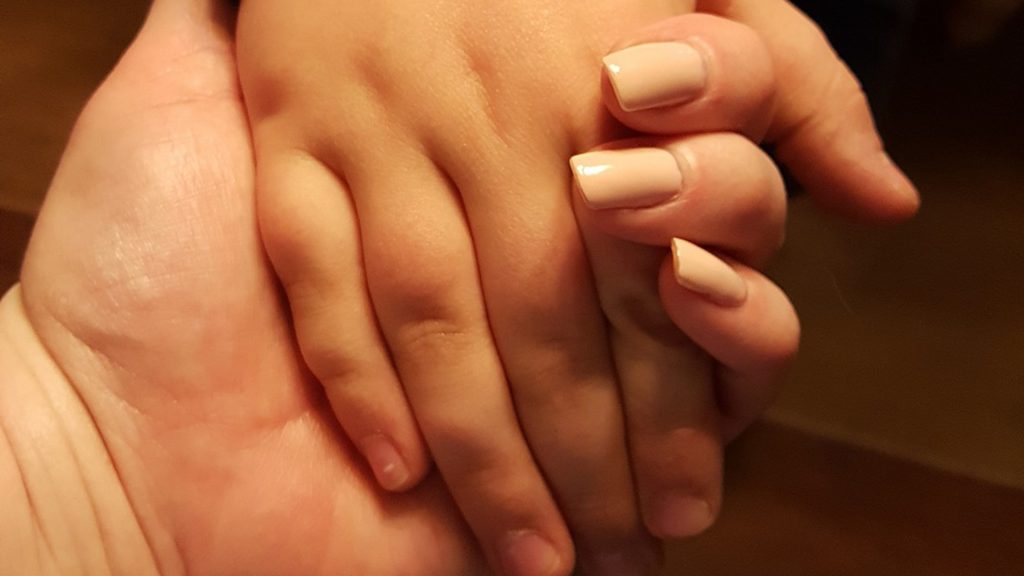
A child's hand slides a red token across a table.

As a result, his outbursts became less frequent, and he started to engage more with her and his surroundings. The token economy, combined with TBRI’s emotional support techniques, allowed Sarah to see Archie’s progress in real-time, creating an environment that was nurturing for both of them.

Advocacy within the ISD

However, Andrea didn’t stop there. She also advocated for Archie within the school system. Knowing that Archie’s challenges were not only behavioral but also academic—especially with his language barrier—Andrea worked with the school district to secure additional resources for him. She arranged for English as a Second Language (ESL) support and for a dedicated special education professional to help Archie navigate the classroom.

After three months with Andrea, Archie and his Aunt Sarah are on the path to happiness. Today, Archie is thriving in a stable, loving home with his aunt. He is no longer defined by his past trauma or misunderstood for his behaviors. He is beginning to show signs of emotional and social growth, and Sarah continues to implement TBRI principles in their daily routines.

A Journey of Empathy and Growth

Though there are still challenges ahead, both Sarah and Archie know they are not alone. With the support of Andrea, ACH Child and Family Services, and a community that has rallied around them, they have created a home that is filled with understanding, connection, and hope for the future.

Archie’s journey is a testament to the power of empathy, advocacy, and trauma-informed care. Thanks to ACH and Andrea’s expertise and unwavering support, Archie is now on a path to success, surrounded by the people who care for him most.

ACH Child and Family Services strongly promotes the philosophy and practice that when children cannot be with their parents safely, the next best option is a relative such as a grandparent, aunt, uncle, sibling, or close family friends. Our Kinship Connections program places foster children in the home of a relative or person who knew the child before he or she was removed from the home. Research shows that kinship placements provide a sense of stability, identity and belonging during a time of crisis and help preserve the child’s cultural identity and relationship to their community. Kinship Connections is voluntary assistance to help families in the child welfare system adapt to their new role as caregiver. ACH also offers a similar free program, Kinship Navigator, for youth and families in the community who are not in the child welfare system.

Comic Book Artist Draws Praise from Kids in Transitional Living

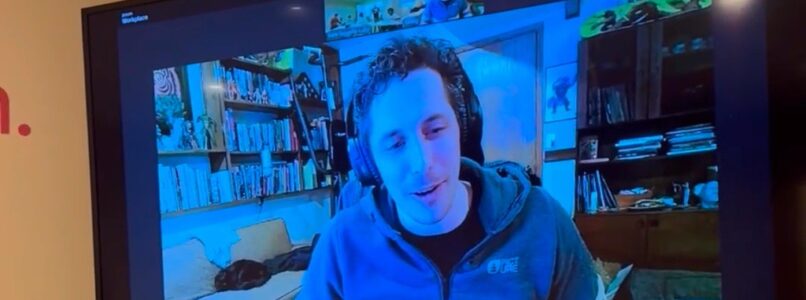
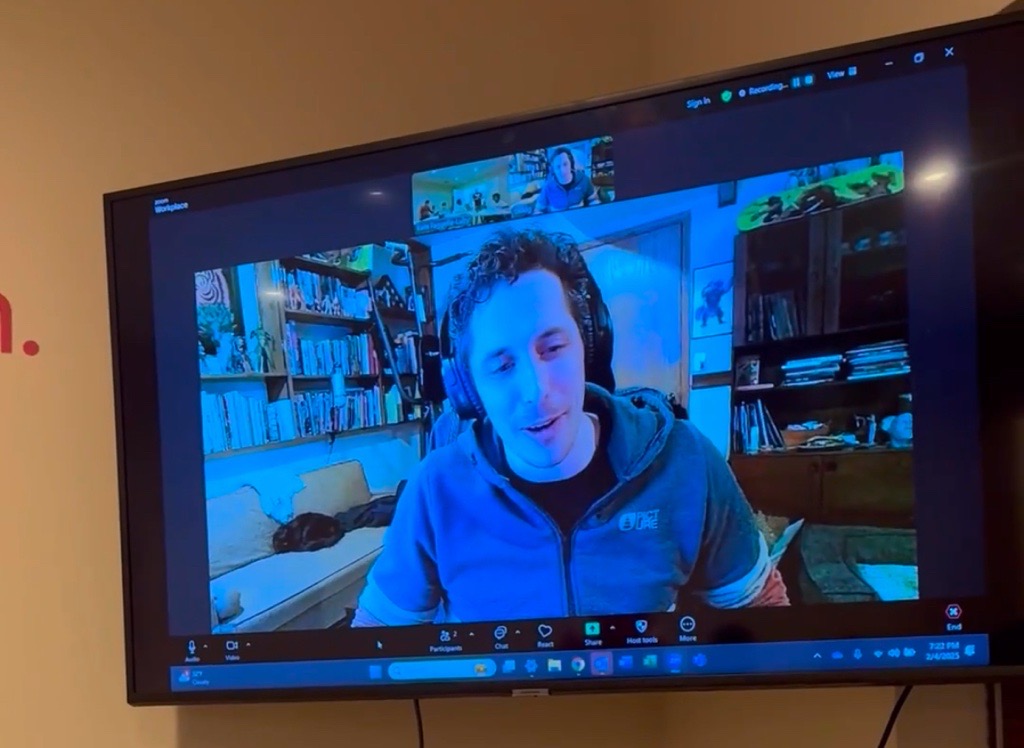
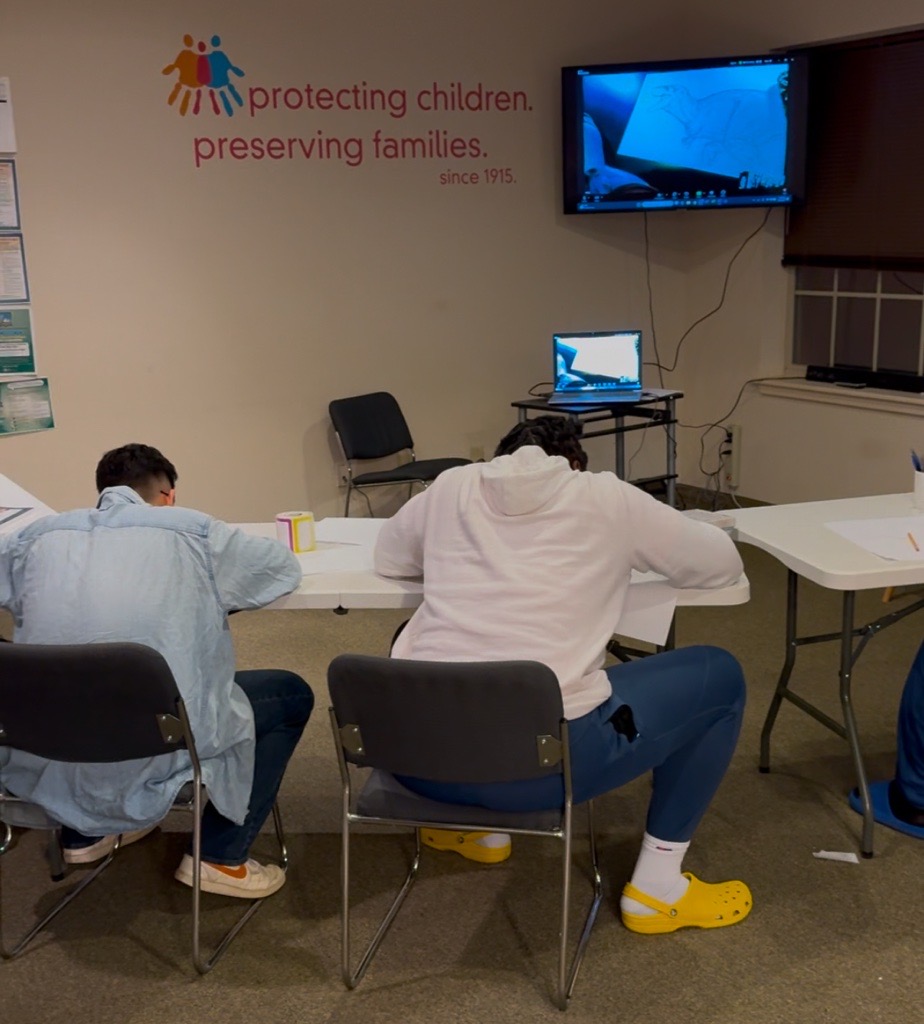
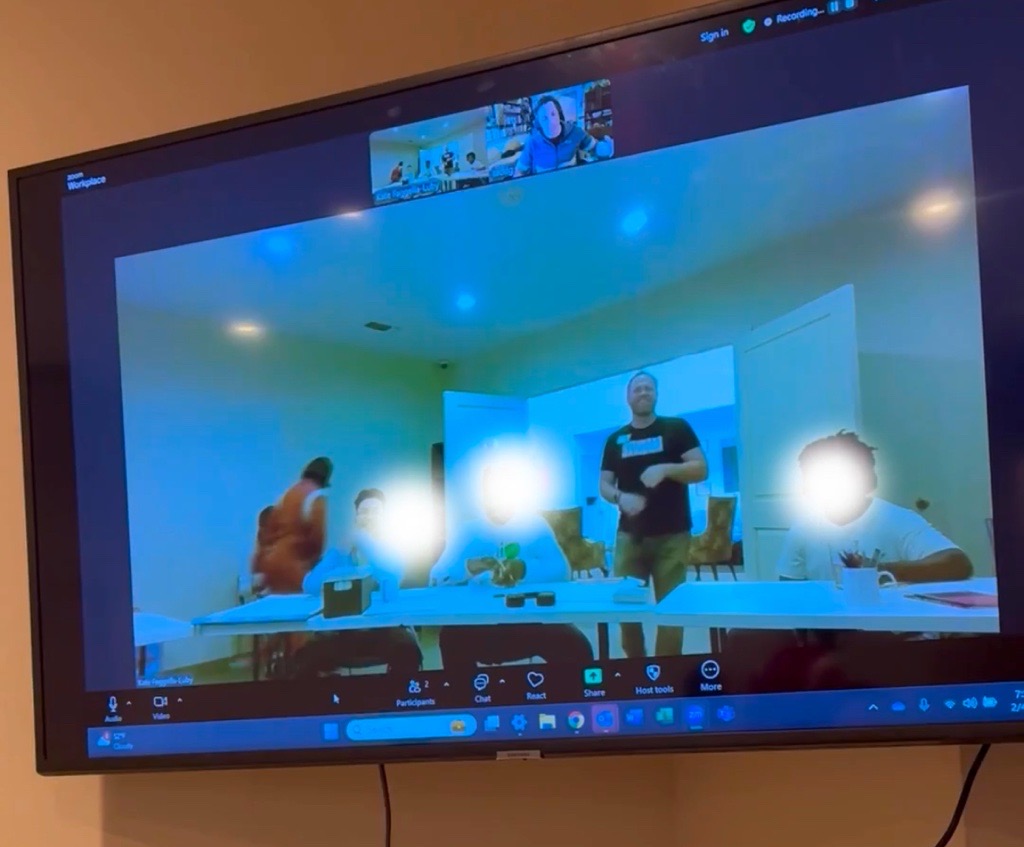
Professional comic artist Tadd Galusha gives a drawing lesson via Zoom to residents at ACH Child and Family Services Wedgwood Transitional Living Program.

Good overcoming evil. Protagonists, antagonists, and antiheroes. Origin stories brimming with traumatic pasts and challenges and topped with resilience and hope. It’s not hard to see why the children in ACH’s care are often drawn to all things comics. 

The wildly imaginative world of comics allows kids a distraction from what they’re experiencing, but in a way that relates to the obstacles they’re facing in real life. Whether they realize it or not, comics are both an escape and a way to dream.

A Comical Night

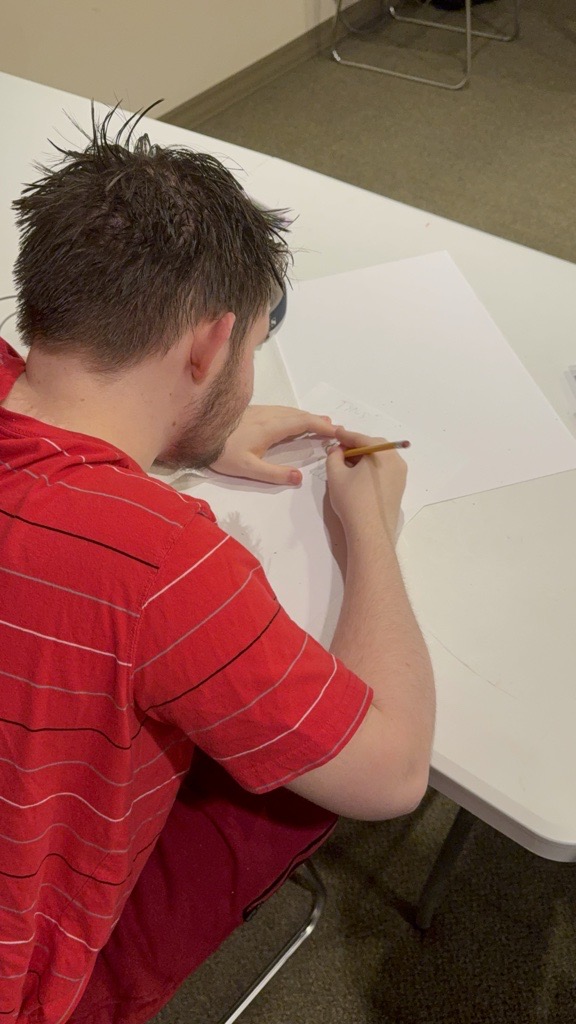
Professional comic book artist Tadd Galusha rarely if ever gives a two-hour drawing lesson. But on a special night during one of the bi-weekly volunteer events at our Wedgwood Transitional Living program campus, that’s exactly what he presented to the young men in the program! Tadd, who is based out of Alaska and is friends with one of the Wedgwood volunteers, tuned in via Zoom and spent the evening drawing character after character — from Raphael (Teenage Mutant Ninja Turtles) to Goku (Dragon Ball Z), plus a gnarly tyrannosaurus rex. The boys were glued to the monitor.

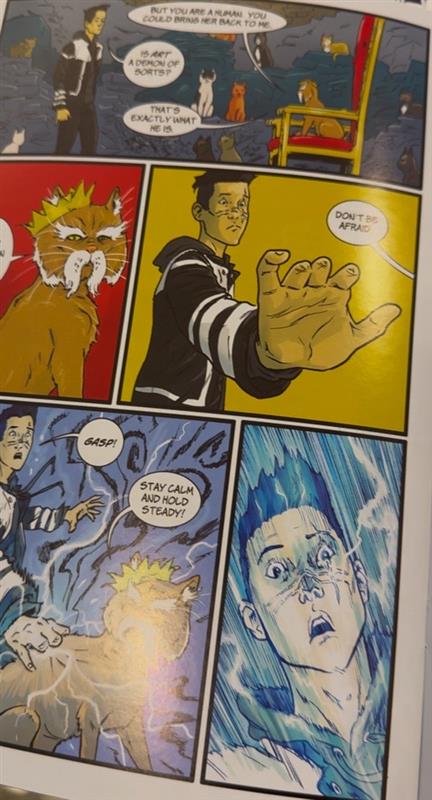
A few days prior, Tadd mailed several comics for each of the kids. They were all comics he had illustrated and/or wrote. In addition to publishing his own graphic novels, Tadd has worked for major publishers on properties such as Godzilla, Teenage Mutant Ninja Turtles, GI Joe, and King Kong.

It’s not uncommon for the children at Wedgwood to be quiet and reserved when talking to adults. Their trust has been compromised, and they’re understandably wary of people they don’t know. Comic book night was NOT one of those nights.

Chatter, laughter and friendly teasing filled the room. Tadd had been briefed that the kids may be shy and that he may have to do most of the talking. It couldn’t have been farther from the truth.

Sometimes he could hardly fit a word in edgewise! The kids debated about hypothetical match-ups between comic characters (think Superman versus Batman), their favorite Marvel movies, their least favorite Marvel movies, and more. 

“When ACH’s volunteer mentors team up with our youth, amazing things happen!” says Kate Faggella-Luby, ACH volunteer mentor coordinator. “In the epic match up of community and belonging vs. isolation and trauma, COMMUNITY and BELONGING win every time.”

Heroes of Tomorrow

Eventually, the kids asked Tadd about his career. They peppered him with questions about illustration, graphic design, script writing, and college. The adults in the room glowed seeing the kids dream about a potential careers and goals. Tadd masterfully answered with optimistic and encouragement, but he was honest in that it’s a competitive industry that requires dedication and hard work.

The night flew by, and volunteers had to put a hard stop to the night when the clock struck 9 p.m. Both volunteers and children did not want the event to end.

It felt like a night of authentic comradery. People in our community and beyond showed up for these kids because they want to. Because they genuinely care and are invested in these children’s upbringing and future. Bridging the gap between our community and marginalized youth is one of the many ways ACH serves families and children. 

Thank you to Tadd, the volunteers, the Wedgwood team, and to Kate for orchestrating this unforgettable night!

Professional comic artist Tadd Galusha gives a drawing lesson via Zoom to residents at ACH Child and Family Services Wedgwood Transitional Living Program.

Wedgwood Transitional Living

Children who can’t live with their families or are difficult to place in a permanent family setting have a safe place to call home in the Wedgwood Transitional Living program. The program provides a stable, nurturing place for children ages 14-17 who have experienced severe trauma and, as a result, often have emotional outbursts, attempt running away, experiment with drugs, and other challenging behavior.

Wedgwood Transitional Living offers a place for them to heal, grow and learn independent living skills. Trained staff help the children graduate from high school, apply to college/continued education, enter the workforce, find volunteer opportunities, and develop healthy lifestyles. Counselors teach the children how to express their emotions in healthy, productive ways, cope, and manage their behaviors.

ACH is committed to providing safe environments for youth to begin the healing process and to develop lifelong skills that will support future placement through foster/adoption or independence. 

2024 Fort Worth Thanksgiving Meal Resource

The holidays are meant to nourish the mind and body, when loved ones gather and plates are filled with comforting, delicious food. But for many in our community, it’s challenging to provide an entire meal. Whether it’s lack of time or funds, some children and families will not have a holiday spread of turkey, stuffing, cornbread, and other Thanksgiving must-haves. That’s where this Fort Worth Thanksgiving Meal Resource comes into play.

The resource below will help families who need a Thanksgiving meal. Simply click the image below and you’ll be directed to a PDF that has clickable links to local resources, such as the Tarrant Area Food Bank, Operation Turkey, and Taste Project.

Share the Fort Worth Thanksgiving Meal Resource with friends, family, neighbors and anyone who could benefit from a warm meal.