
Category: Stories of Hope

Youth Enjoy a World-Class Experience at the FIFA Club World Cup

Youth from ACH's Wedgwood Transitional Living Programs attended the FIFA World Cup.

Thanks to the generosity of the North Texas Sports Foundation, youth from ACH Child and Family Services’ Turning Point and Wedgwood Transitional Living programs recently had the opportunity to attend a FIFA Club World Cup match between Japan and the Netherlands.

A total of 10 youth and 10 staff members from Turning Point, Doss, and Morris attended the game, experiencing the excitement of international soccer firsthand. 

“The feedback was overwhelmingly positive,” said Jean-Michele Goede, program supervisor at Turning Point. “The youth were excited to attend and really enjoyed being able to watch the game live. Staff shared that the event provided a great opportunity for positive interaction, team building, and creating lasting memories.”

ACH is grateful to the North Texas Sports Foundation for making this special experience possible and for helping create meaningful opportunities for the youth we serve. Moments like these remind our young people that they are valued, supported, and connected to the broader community around them.

TBRI® Partnering with Parents

For years, ACH Child and Family Services has relied on Trust-Based Relational Intervention® (TBRI) to build trust and connection with vulnerable children. For more than a year, ACH has also offered TBRI  Partnering with Parents to families in the child welfare system. This service provides TBRI training that is tailored for parents and caregivers, so they can  build a strong  family connection through empathy and understanding.
TBRI was developed by and is the
signature therapeutic model of
Texas Christian University’s
Karyn Purvis Institute of Child Development.

These are stories of three graduates of the certification program.
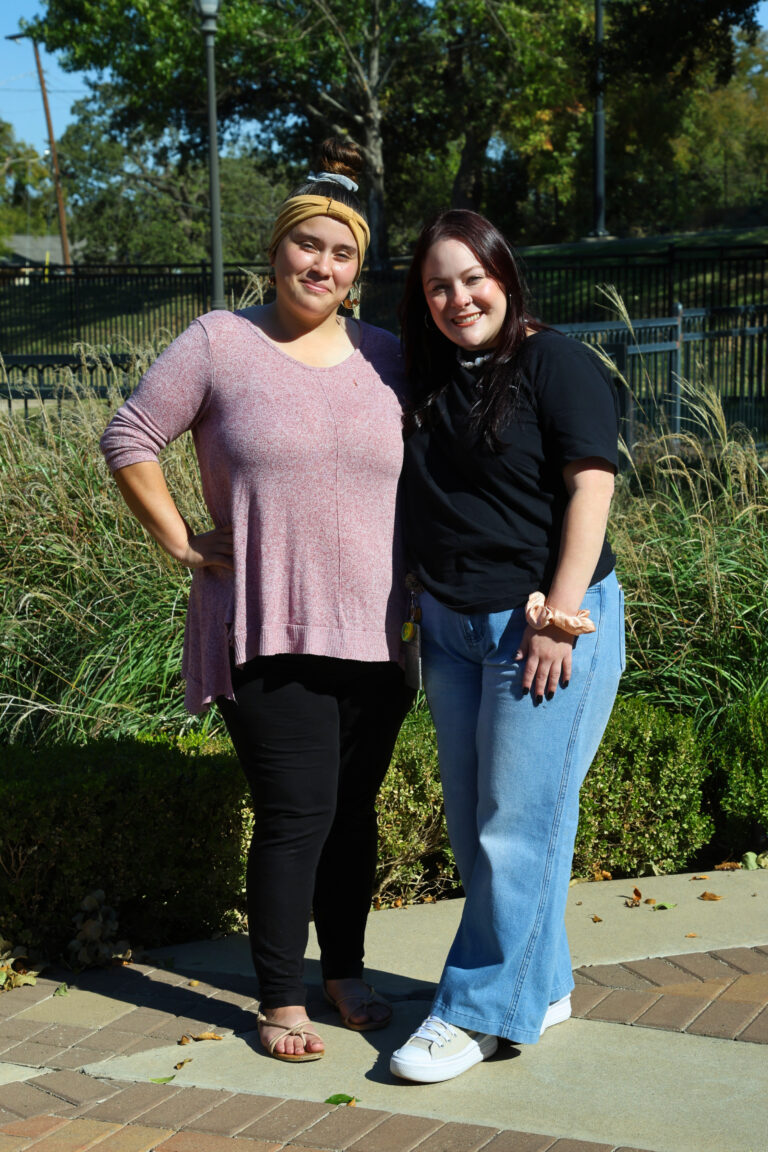
Alyssa and Malee

Healing through connection: A mother’s journey with TBRI®

What follows is a heartfelt letter from Alyssa G. to ACH TBRI Parent Educator Malee Sims. Alyssa is a mother who has experienced the transformative power of TBRI after reuniting with her foster children. Her story is a testament to the resilience and strength of families who face challenges head-on and emerge stronger together. Malee says she is honored to have trained Alyssa in the TBRI Partnering with Parents certification program.   

Leading and witnessing a mother’s transformation

ACH TBRI Parent Educator Malee Sims describes a success story with Nakeia H., a recent TBRI Partnering with Parents graduate. Nakeia didn’t want to tell her son “no” until she reflected on her on her past, her own mother’s discipline troubles, and what happens when you fail to take control.

Yet More Praise from a TBRI Partnering with Parents graduate

When I first met Malee, I was pregnant and my emotions were all over the place. I honestly didn’t know what to expect and was afraid I might be judged. But the moment I opened up, she welcomed me with so much understanding and kindness. She introduced me to TBRI®, which focuses on helping children who come from hard places and the need to feel safe and understood.

“I’ve learned to stay calm, to connect, and to guide them with love and patience.”

-- Daijahne

What meant the most to me was how the things I learned not only helped my kids, but it helped me too. I began to see their behaviors differently not as defiance, but as communication. They’re still learning how to express themselves, and sometimes it comes out in ways that are hard. But with the tools Malee gave me, I’ve learned to stay calm, to connect, and to guide them with love and patience.

Since working with Malee, my son has hardly been in timeout. We understand each other so much better now. I’m so grateful for her guidance — it’s truly changed our home. I know that when they fully come home, we’re going to have a lot of amazing things to learn about each other.

— Daijahne H.

While this program is for families in the child welfare system, ACH also offers youth and family counseling at no charge.

Find out more here or call 817.335.HOPE (4673).

Leading and Witnessing a Mother’s Transformation

ACH Child and Family Services utilizes Trust-Based Relational Intervention® (TBRI®) to build trust and connection with vulnerable children. TBRI is so effective, ACH also trains parents in the child welfare system so that the family benefits as a whole. Here, ACH TBRI Parent Educator Malee Sims describes a success story with Nakeia H., a recent TBRI Parenting Partnership “graduate.”

A difficult first impression…

Nakeia couldn’t understand her 13-year old son’s, aggressive, explosive, unpredictable behavior. In fact, Julian’s behavior was responsible for their evictions from several apartments.  She knew she needed help and that’s why she decided to enter joint managing conservatorship with Child Protective Services.

“When I met him, he lacked the skills needed to effectively communicate what it is that he needs,” says Malee. “He resorted to attempting to communicate through his behaviors but was almost always misunderstood. He was suffering from being constantly frustrated.”

“On the other hand, initially connecting with Nakeia was difficult because she was resistant to the techniques of the training,” says Malee. “She didn’t want to accept alternatives to saying ‘no.’”

“TBRI is an evidence-based intervention model. It’s not about gentle parenting or being a millennial parent.”

Malee Sims
ACH TBRI Parent Educator

Looking back, Nakeia agrees.

“If I could do my first two meetings over again, I would,” she says. “I came in hot. I came in with an attitude. I came in with the mindset of ‘No one can tell me anything that I don’t already know about a child that I’ve been raising on my own for all his life . . .no parent is perfect.’”

…with nowhere to turn

At one point during the open case (which was officially closed in August), Julian returned home, with his behaviors still being a problem. However, this time she had little support from the child welfare system. Because Nakeia still did not feel equipped to manage Julian’s behavior, the first return home failed and Julian wound up back in various RTC’s and behavioral hospitals.

Ayden returned home again during the time Nakeia was working with Malee at ACH. This time, Nakeia was living in her car because of her record of Julian-related evictions. To make matters worse, Julian was on probation in the juvenile justice system. No apartment would accept them, so they moved in with Nakeia’s mother.

Unfortunately, Nakeia’s mother was really hard on Julian. She failed to recognize he was just trying to adjust to being back home. The grandmother had zero tolerance for what Malee describes as “normal” teenage behaviors. Malee told Nakeia that the issue wasn’t as much about Julian’s behavior as it was her mother’s. And, by not taking control, she may have actually contributed to their situation.

A lightbulb moment turns into a brighter future

In TBRI Caregiver meetings with Malee, Nakeia learned that parenting is perfect maybe 30% of the time at most. The rest of the time is considered rupture and repair, which is how you learn and grow. In this “scaffolding” process, you learn where you are at and then move on.

“TBRI is an evidence-based intervention model. It’s not about gentle parenting or being a millennial parent,” says Malee.

When Nakeia saw the light, she decided it was best to distance herself and her son from her mother by moving into an extended stay hotel. At the same time, she grew to understand more about Adverse Childhood Experiences (ACEs) and began practicing a technique called Connecting, Empowering, and Correcting.

“I thought I knew it all, and I thought wrong,” says Nakeia. “I learned a lot from TBRI about not only my child, but about myself as well. If I can give anyone one bit of advice to take with you when you go down this journey, it would be that it’s okay to listen, and it’s okay to learn. To trust the process, but most importantly, listen.”

Nakeia and Julian have since been accepted to a housing program, and things are really looking up for them. Julian is on the football team, and for the first time—enthusiastic about school. There are still challenges to overcome, but their future is looking much more promising.

While this program is for families in the child welfare system (CPS), ACH also offers youth and family counseling at no charge.

Find out more here or call 817.335.HOPE (4673).

TBRI was developed by and is the signature therapeutic model of
Texas Christian University’s
Karyn Purvis Institute of Child Development.

Growing Confidence with The LIFE Project at ACH

A young woman starts college while in ACH's The LIFE Project and her confidence soars.

A young woman’s journey from chaos to confidence shows the power of trust, relationships, and opportunity through Supervised Independent Living.

When Ciara* first connected with The LIFE (Learning Independence From Experience) Project, she was 19 years old with a childhood full of disconnect. Her mother was actively struggling with addiction, her father lived overseas, and she experienced long stretches of homelessness. For Ciara, survival had always been the priority. She had dreams of pursuing higher education but didn’t know where or how to start.

Finding Stability in a World of Uncertainty

Ciara came to ACH Child and Family Services through a referral from a caseworker who knew she wanted to attend college. At first, Ciara was hesitant. Trust doesn’t come easily when you’ve been let down before by people who are supposed to care about you.

Nick Little, The LIFE Project program manager, remembers meeting her and was impressed by the young woman’s inner drive.

“She was quiet, soft-spoken, but incredibly thoughtful,” Nick recalls. “You could tell she had a plan for her life, even if the path to get there wasn’t clear yet.”

The LIFE Project is built on relationships, and Nick and his team worked hard to show her that this time, things could be different. They listened, encouraged, and provided the stability she desperately needed.

One of the first big steps was helping Ciara secure her own apartment. For her, this wasn’t about having a place to live. It was about independence.

“She wanted to know what it felt like to manage her own space,” Nick explains. “She didn’t have a car, so she was determined to figure out transportation, budgeting, and everything else that comes with adulthood. Our staff was there every step of the way to guide her through the process.”

Building Confidence Through Connection

Ciara embraced the challenge of living independently while pursuing an education. Today, she’s a junior at the University of North Texas, majoring in philosophy. She consistently earns a spot on the Dean’s List with her ultimate goal to attend law school. Her love of school leads her to spend hours reading about philosophy. Her drive is undeniable, but it comes with its own challenges.

“Her biggest struggle is balance,” Nick says. “She puts so much pressure on herself to succeed because she knows there’s no safety net. If things fall apart, she doesn’t have a parent to call or a home to return to.”

That fear pushes her to work harder than most, sometimes to the point of exhaustion. ACH’s role has been to help her moderate study time and remind her that it’s okay to rest, to have fun and to lean on others.

Through regular check-ins, goal-setting, and honest conversations, The LIFE Project team encourages Ciara to step outside her comfort zone. They suggest movie nights instead of marathon study sessions and attending social events with other young adults in the program.

What makes Ciara’s story remarkable isn’t just her academic success; it’s her openness to trust. Many young adults in foster care keep their emotional walls high, afraid of being hurt again. But Ciara chooses to engage. She collaborates with her mentors, seeks advice, and approaches every challenge with thoughtfulness and determination.

“She exemplifies what we mean when we say ‘relationships get results,’” Nick says. “Her willingness to trust has been key to her growth.”

Ciara is a testament to what The LIFE Project strives to do: provide more than housing. It offers hope, guidance, and a community that believes in every young adult’s potential. For Ciara, that support has turned uncertainty into confidence and survival into success.

*Name and likeness changed for privacy purposes.

A blue paintbrush line graphic.

The LIFE Project

The LIFE (Learning Independence From Experience) Project helps young adults aging out of foster care and homeless youth build self-confidence and independence through housing and life skills support. It offers case management, counseling, financial assistance, household setup, and training in work and life skills. Eligible participants include young adults ages 18–20 in CPS custody or who were in custody on their 18th birthday, as well as homeless young adults ages 18–21. The program also supports single parents meeting these criteria. ACH assists with securing housing options such as college dorms, shared housing, or apartments based on the young adult’s preferences.

Families Connect by Sharing Cultures

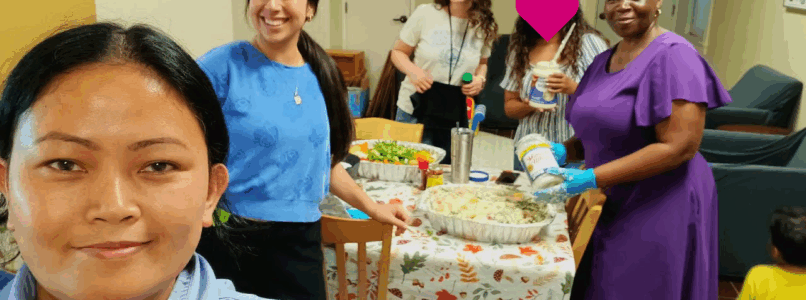
Rochel, a former resident of Families Together, shares her Filipino culture through cooking.

A former ACH client shares her culture and fosters connection with staff and other families.

At ACH Child and Family Services, we are proud to celebrate the vibrant cultures of our staff and clients by highlighting voices like Rochel’s—whose resilience and compassion have left a lasting impression on our community.

Sharing Culture Through Cuisine

For Rochel, who came to the United States from the Philippines, food is more than nourishment. To her, it’s a way of telling stories, building bridges, and honoring tradition. During her time in ACH’s Families Together program, Rochel participated in Chef’s Corner, in which clients are encouraged to prepare a meal from their culture and share it with staff and peers. Rochel introduced staff and fellow residents to dishes from her heritage, teaching others not just how to cook, but how to stretch meals thoughtfully—a blend of cultural tradition and practical life skills. Fellow mothers, children and staff enjoyed traditional Filipino dishes, such as Jollibee spaghetti; “biko” sticky rice pudding cake; and lumpia

“It’s amazing to let someone eat what you make, and having someone believe you can do it,” Rochel said. “This empowers us—not just to cook, but to lead, to teach, and to be proud of who we are.”

Her cooking didn’t just fill the room with incredible aromas—it created an atmosphere of curiosity, unity, and appreciation. It was a reminder that culture is not just something we celebrate—it’s something we live, together.

Rochel’s influence continues as she moves forward in her journey. Thanks to the therapy and skills she learned in Families Together, Rochel now lives with her daughter by her side.

A blue paintbrush line graphic.

About ACH's Families Together Program

Families Together provides transitional housing for single mothers and their children who are experiencing homelessness due to intimate partner domestic violence crime victimization. The program offers a safe and stable living environment while they work to overcome the trauma that led to their homelessness and return to independent living. Families receive intensive case management and therapeutic services designed to help them heal from the trauma and victimization they’ve experienced, while gaining the skills they need to promote long-term self-sufficiency and obtain stable housing.

This year’s projected expenses for Families Together exceed our resources by more than $200,000 and we appreciate any help in funding this vital community resource.

Archie’s Journey to Stability and Growth

When Andrea, an ACH Child and Family Services Kinship Connections specialist, was assigned to Archie’s case, she knew the journey ahead would require patience, empathy, and a strong network of support. Archie, a bright and energetic five-year-old boy, had recently been removed from his mother’s home due to trauma and an episode of paranoia that led to an unstable and unsafe environment.

The trauma Archie experienced left deep emotional scars, and his behaviors were often misunderstood, especially since he also displayed signs of autism. The road to stability and growth for Archie was going to be a long one, but with Andrea’s guidance, both Archie and his aunt, who had taken on the role of his primary caregiver, would soon find a way forward.

The Initial Challenges

Archie’s journey to safety and understanding started when Texas Child Protective Services (CPS) removed Archie from his mother’s home, located in Tarrant County. Since Archie’s father was not in the picture, CPS placed Archie in the care of his Aunt Sarah, a compassionate woman who also lived in Tarrant County. She had always wanted to help Archie but had never anticipated taking on the full-time responsibility of raising him. At first, Sarah struggled to connect with Archie, especially when his behaviors—such as heightened anxiety, meltdowns, and difficulties with communication—began to escalate.

His social interactions were challenging, and he was often misunderstood by family members, school staff, and even peers. Archie’s struggle with language was one of the biggest barriers. He had been raised in a household where only his mother’s language was spoken, and now that he was in a new environment, his lack of English skills made it difficult for him to understand or communicate with others.

Understanding Archie's Behaviors

After CPS placed Archie with his aunt, Our Community Our Kids referred Sarah to Kinship Connections so she could receive additional resources. That’s when Andrea was assigned to the kinship family.

From the beginning, Andrea knew that understanding the root causes of Archie’s behaviors was crucial to helping the family build a foundation of trust and connection. Through close collaboration with Sarah, Andrea identified how Archie’s behaviors were a combination of sensory sensitivities, social anxiety, and struggles with communication—common traits for children on the autism spectrum. It was clear that the behaviors weren’t just disruptive; they were a way for Archie to express confusion, fear, and frustration in a world that didn’t always make sense to him.

Andrea began coaching Sarah on how to respond to these behaviors using a trauma-informed, child-centered approach. She introduced her to Trust-Based Relational Intervention® (TBRI®), a model developed by TCU’s Karyn Purvis Institute of Child Development that empowers caregivers to build connection through empathy and understanding. She also implemented Applied Behavior Analysis (ABA), which focuses on reinforcing positive behaviors through structured, supportive methods.

Positive Reinforcement Through a Reward System

Andrea also worked with Sarah to implement a token economy at home, where Archie could earn tokens for exhibiting positive behaviors. These tokens could be exchanged for small rewards, such as extra playtime or a favorite snack. This system gave Archie a sense of accomplishment and control over his environment, which was vital for a child who had experienced so much instability.

TBRI’s emphasis on empowering principles—such as giving Archie a voice in decisions, using calm and consistent guidance, and maintaining a predictable routine—made an immediate impact. Sarah learned how to respond to Archie’s needs in ways that were both compassionate and effective. She began to notice that when she used clear, direct language and offered choices, Archie felt more secure and less anxious. 

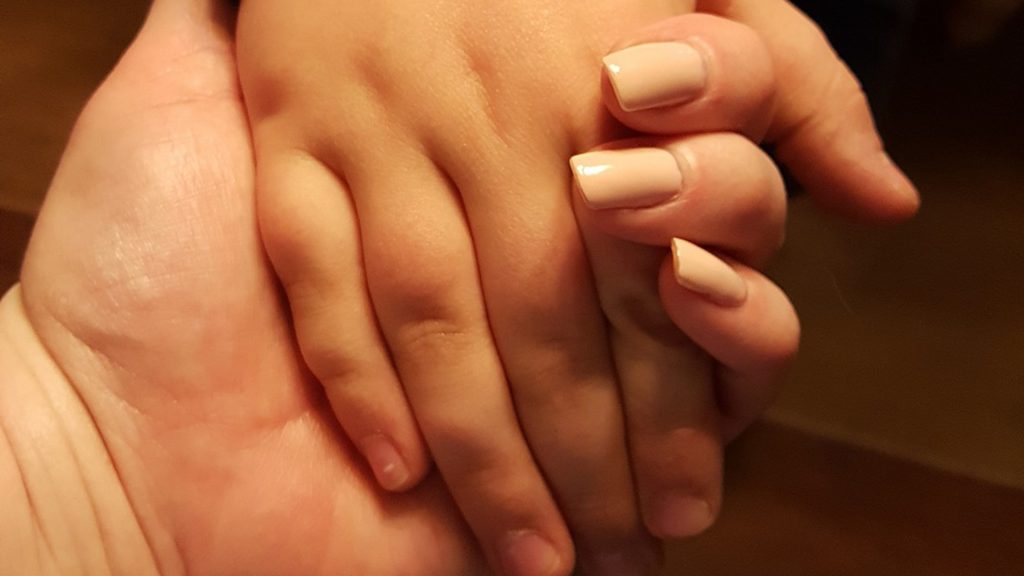
A child's hand slides a red token across a table.

As a result, his outbursts became less frequent, and he started to engage more with her and his surroundings. The token economy, combined with TBRI’s emotional support techniques, allowed Sarah to see Archie’s progress in real-time, creating an environment that was nurturing for both of them.

Advocacy within the ISD

However, Andrea didn’t stop there. She also advocated for Archie within the school system. Knowing that Archie’s challenges were not only behavioral but also academic—especially with his language barrier—Andrea worked with the school district to secure additional resources for him. She arranged for English as a Second Language (ESL) support and for a dedicated special education professional to help Archie navigate the classroom.

After three months with Andrea, Archie and his Aunt Sarah are on the path to happiness. Today, Archie is thriving in a stable, loving home with his aunt. He is no longer defined by his past trauma or misunderstood for his behaviors. He is beginning to show signs of emotional and social growth, and Sarah continues to implement TBRI principles in their daily routines.

A Journey of Empathy and Growth

Though there are still challenges ahead, both Sarah and Archie know they are not alone. With the support of Andrea, ACH Child and Family Services, and a community that has rallied around them, they have created a home that is filled with understanding, connection, and hope for the future.

Archie’s journey is a testament to the power of empathy, advocacy, and trauma-informed care. Thanks to ACH and Andrea’s expertise and unwavering support, Archie is now on a path to success, surrounded by the people who care for him most.

ACH Child and Family Services strongly promotes the philosophy and practice that when children cannot be with their parents safely, the next best option is a relative such as a grandparent, aunt, uncle, sibling, or close family friends. Our Kinship Connections program places foster children in the home of a relative or person who knew the child before he or she was removed from the home. Research shows that kinship placements provide a sense of stability, identity and belonging during a time of crisis and help preserve the child’s cultural identity and relationship to their community. Kinship Connections is voluntary assistance to help families in the child welfare system adapt to their new role as caregiver. ACH also offers a similar free program, Kinship Navigator, for youth and families in the community who are not in the child welfare system.

Comic Book Artist Draws Praise from Kids in Transitional Living

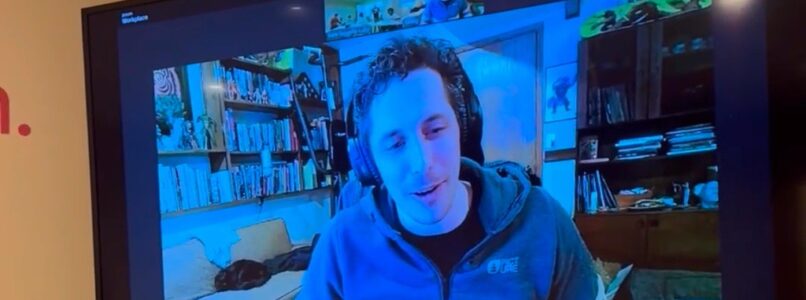
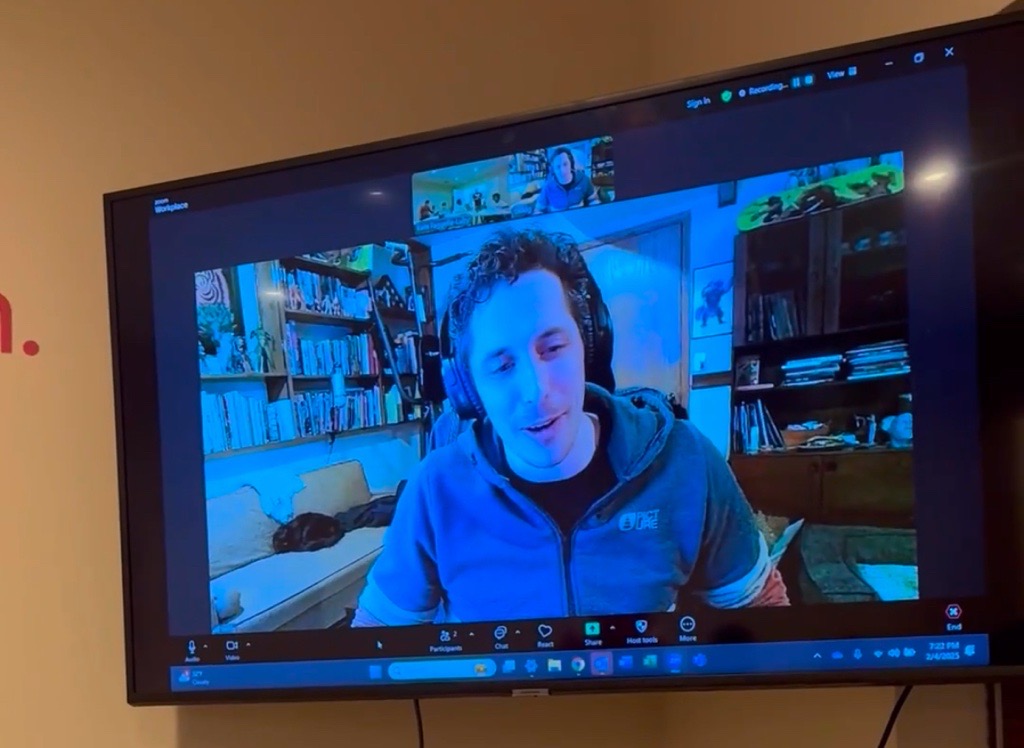
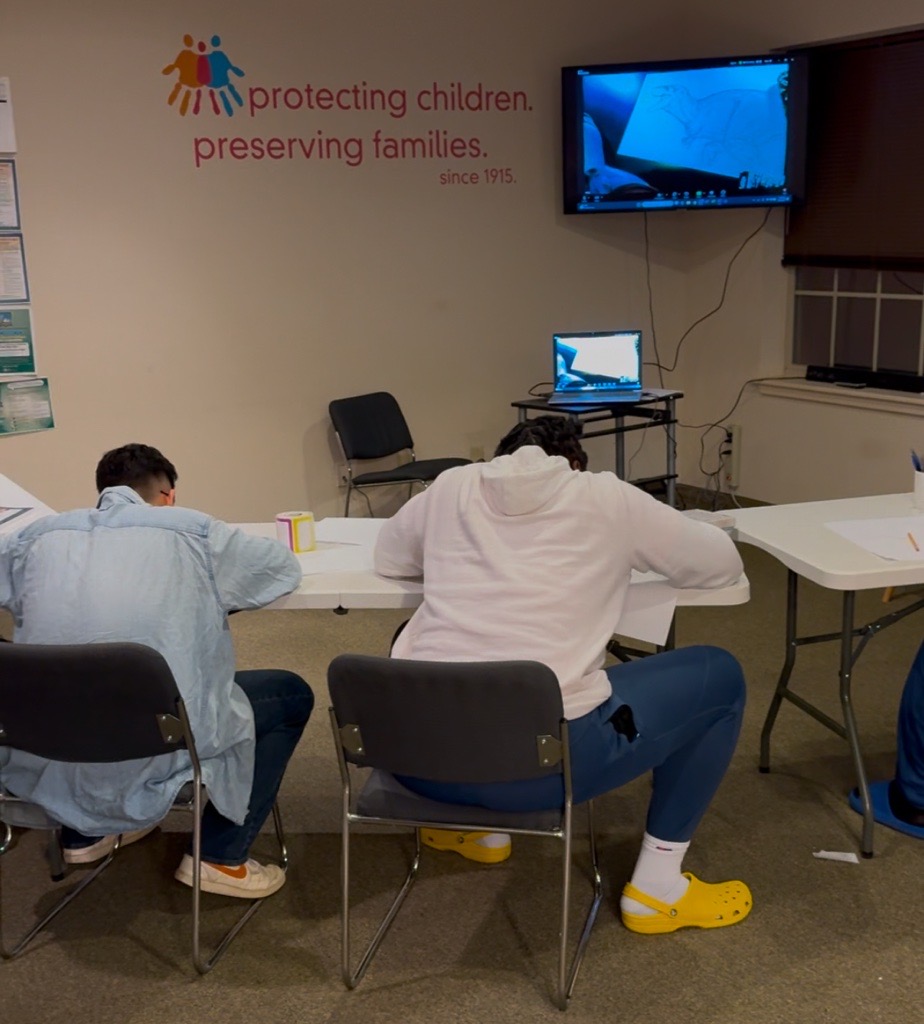
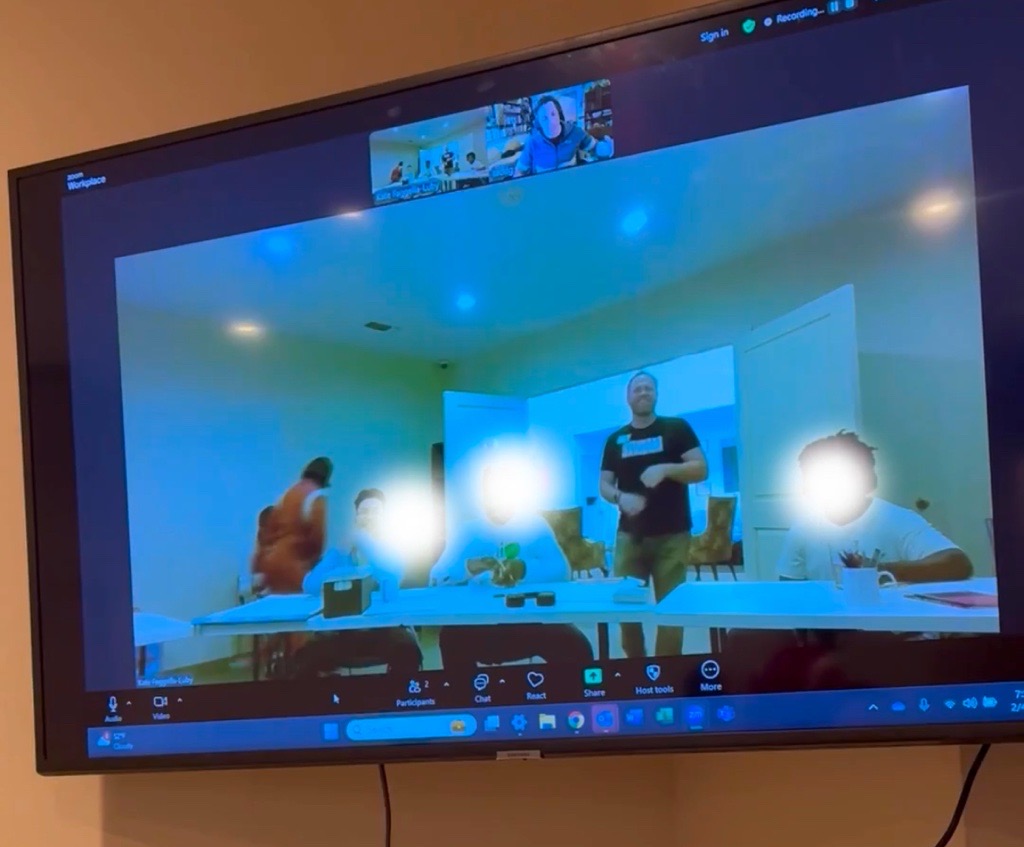
Professional comic artist Tadd Galusha gives a drawing lesson via Zoom to residents at ACH Child and Family Services Wedgwood Transitional Living Program.

Good overcoming evil. Protagonists, antagonists, and antiheroes. Origin stories brimming with traumatic pasts and challenges and topped with resilience and hope. It’s not hard to see why the children in ACH’s care are often drawn to all things comics. 

The wildly imaginative world of comics allows kids a distraction from what they’re experiencing, but in a way that relates to the obstacles they’re facing in real life. Whether they realize it or not, comics are both an escape and a way to dream.

A Comical Night

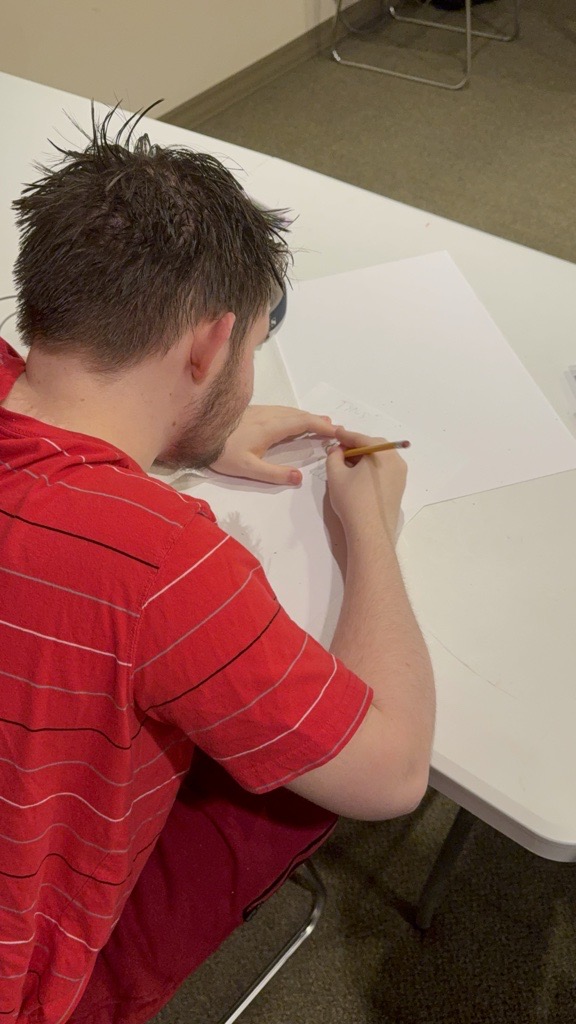
Professional comic book artist Tadd Galusha rarely if ever gives a two-hour drawing lesson. But on a special night during one of the bi-weekly volunteer events at our Wedgwood Transitional Living program campus, that’s exactly what he presented to the young men in the program! Tadd, who is based out of Alaska and is friends with one of the Wedgwood volunteers, tuned in via Zoom and spent the evening drawing character after character — from Raphael (Teenage Mutant Ninja Turtles) to Goku (Dragon Ball Z), plus a gnarly tyrannosaurus rex. The boys were glued to the monitor.

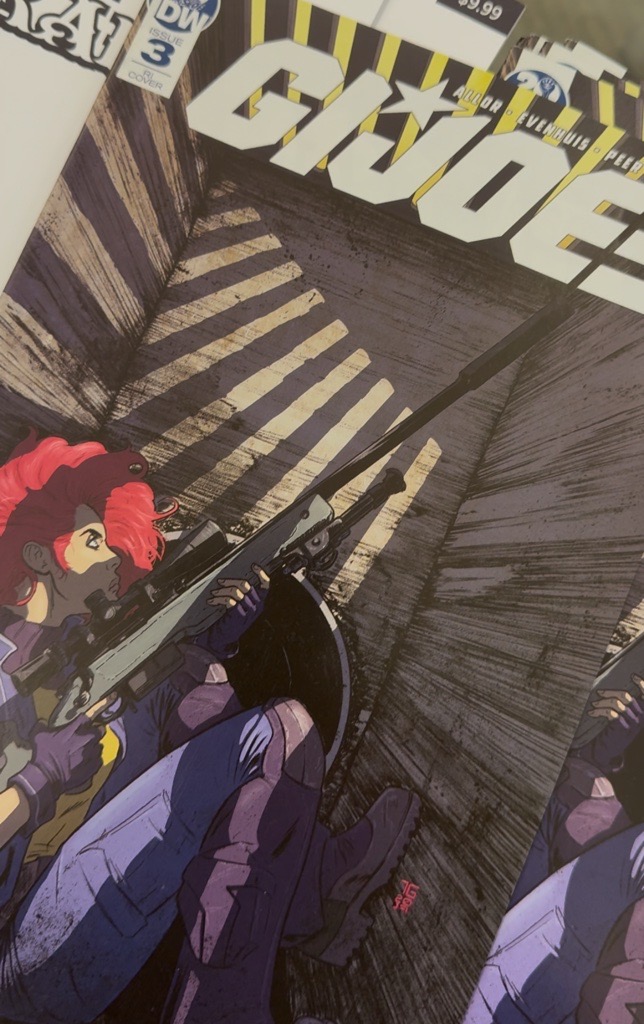
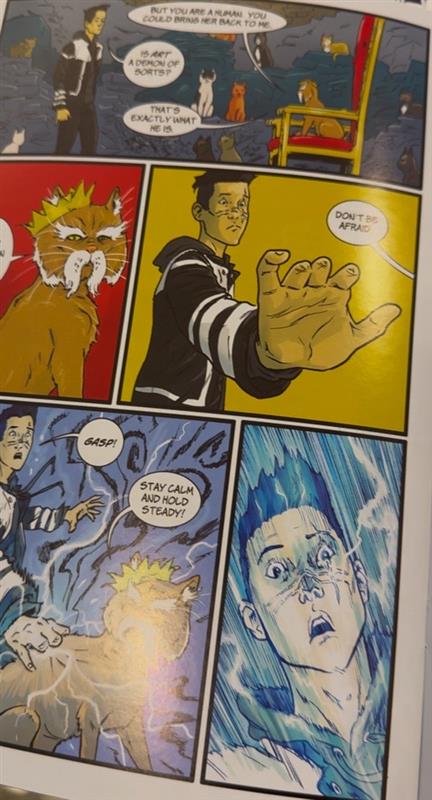
A few days prior, Tadd mailed several comics for each of the kids. They were all comics he had illustrated and/or wrote. In addition to publishing his own graphic novels, Tadd has worked for major publishers on properties such as Godzilla, Teenage Mutant Ninja Turtles, GI Joe, and King Kong.

It’s not uncommon for the children at Wedgwood to be quiet and reserved when talking to adults. Their trust has been compromised, and they’re understandably wary of people they don’t know. Comic book night was NOT one of those nights.

Chatter, laughter and friendly teasing filled the room. Tadd had been briefed that the kids may be shy and that he may have to do most of the talking. It couldn’t have been farther from the truth.

Sometimes he could hardly fit a word in edgewise! The kids debated about hypothetical match-ups between comic characters (think Superman versus Batman), their favorite Marvel movies, their least favorite Marvel movies, and more. 

“When ACH’s volunteer mentors team up with our youth, amazing things happen!” says Kate Faggella-Luby, ACH volunteer mentor coordinator. “In the epic match up of community and belonging vs. isolation and trauma, COMMUNITY and BELONGING win every time.”

Heroes of Tomorrow

Eventually, the kids asked Tadd about his career. They peppered him with questions about illustration, graphic design, script writing, and college. The adults in the room glowed seeing the kids dream about a potential careers and goals. Tadd masterfully answered with optimistic and encouragement, but he was honest in that it’s a competitive industry that requires dedication and hard work.

The night flew by, and volunteers had to put a hard stop to the night when the clock struck 9 p.m. Both volunteers and children did not want the event to end.

It felt like a night of authentic comradery. People in our community and beyond showed up for these kids because they want to. Because they genuinely care and are invested in these children’s upbringing and future. Bridging the gap between our community and marginalized youth is one of the many ways ACH serves families and children. 

Thank you to Tadd, the volunteers, the Wedgwood team, and to Kate for orchestrating this unforgettable night!

Professional comic artist Tadd Galusha gives a drawing lesson via Zoom to residents at ACH Child and Family Services Wedgwood Transitional Living Program.

Wedgwood Transitional Living

Children who can’t live with their families or are difficult to place in a permanent family setting have a safe place to call home in the Wedgwood Transitional Living program. The program provides a stable, nurturing place for children ages 14-17 who have experienced severe trauma and, as a result, often have emotional outbursts, attempt running away, experiment with drugs, and other challenging behavior.

Wedgwood Transitional Living offers a place for them to heal, grow and learn independent living skills. Trained staff help the children graduate from high school, apply to college/continued education, enter the workforce, find volunteer opportunities, and develop healthy lifestyles. Counselors teach the children how to express their emotions in healthy, productive ways, cope, and manage their behaviors.

ACH is committed to providing safe environments for youth to begin the healing process and to develop lifelong skills that will support future placement through foster/adoption or independence. 

One Woman’s Rewarding History with ACH Women’s Auxiliary

About ACH

The ACH Women’s Auxiliary dates back to 1962. Here’s a story of one member who joined some 30 years later and is still actively involved.

Sheila Owen learned of ACH through a friend in the early ‘90s. She was working and had a child but still felt the calling to get involved in the community. When her friend told her that she could volunteer and bring her daughter, that sounded doable. At that time, All Church Home, which would later become ACH, had a group residential home on Summit Avenue. Members of the ACH Women’s Auxiliary were invited to holidays and birthday parties for the children in ACH’s care so the kids could experience a family get-together.

In those days, Sheila and family could actually take the kids to outings like miniature golf and other activities that let them share in the fun. And back then, the kids were often at the Summit location until they aged out of foster care, so the Auxiliary members were able to build up a relationship with them.

Still, it was hard to come home from work and want to provide quality time for her two daughters and attend Women’s Auxiliary Meetings. One night, she told her daughter she was going to skip the meeting because she was just too busy. Taylor, her daughter who had accompanied her mom on many a visit, said “Mom, you have to go—you can’t miss that meeting!”

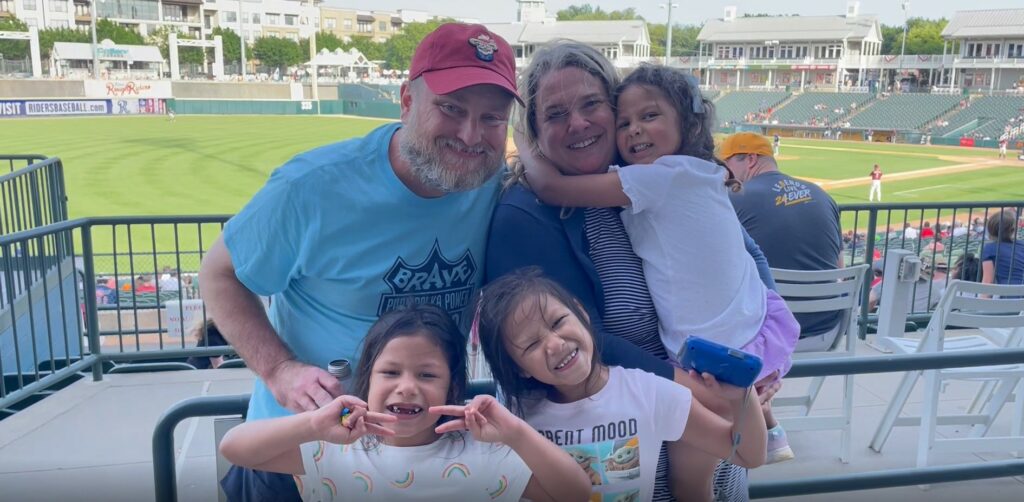
Sheila Owen (left) with daughters Taylor and Courtney.

When Taylor went on to college, it was Sheila’s younger daughter, Courtney, who would join mom in events like the Holiday Store, where ACH kids could pick out gifts for their family and youth care specialists. Mother and daughter would help out by helping the kids shop and even wrap their gifts for them.

Sheila is glad that both of her daughters understood that not all kids are as lucky as they were. And she’s grateful that they learned how good it feels to help others.

Sheila was glad to see ACH move on to placing children in foster homes, so they could grow up in a family environment rather than a group home. She welcomed the approach of preserving families and now of placing children with extended family whenever possible. She believes in change for the better, but we’re grateful one thing hasn’t changed: She’s still actively involved with the ACH Women’s Auxiliary.

Kinship Navigator Program

ACH Child and Family Services can trace its beginning to 1915, when a group of women dedicated to providing a safe home and hope for a good future to orphans and destitute women with children founded the All Church Home for Children.

In 1962, Board President Mrs. Ben L. Bird formed the Women’s Auxiliary to provide love and attention for the children living in ACH’s care.

The Women’s Auxiliary was reinstated in 2015 to support children and families served by the organization through service opportunities and advocacy in our community.

Women’s History Month is EVERY month at ACH and we are thankful to all who give hope to our children.

Blake’s Journey: Support for Teenage Anger Management

Blake’s dad lost all hope for his son. He didn’t know where to find support for his son's challenges with anger management. The team at ACH’s Turning Point helped Blake and his family find renewed hope.

Blake is 15 years old and navigating adolescent insecurities and common teen struggles, such as anger management. Additionally, he feels the effects of his parent’s divorce. According to the UCL Centre for Longitudinal Studies, there is a 16% increase in the risk of behavior problems if the child is between 7 and 14 years old when their parents divorce. Blake’s parents have done all they could to show him love, but his anger still rapidly grew. After returning to live with his dad, Adam, and stepmom, his family knew they needed to find him additional support.

He had attended other programs and facilities for help in the past, but nothing seemed to have a lasting impact on Blake’s health. Blake’s behavior would continue to worsen as threats of harm to others were made. Blake’s dad found ACH’s Turning Point program. Turning Point is a specialized, urgent mental-health care program that provides crisis interventions and acute stabilization for youth. It is a short-term placement that is designed to help youth and their families receive urgent relief of behavior symptoms as well as therapeutic interventions that prevent hospitalization.

Turning Point is Not Like Other Programs

Adam had sought support for teenage anger management many times before. He had very little hope that Turning Point would be any different. Upon Blake’s arrival, Adam was already preparing to arrange for Blake’s next treatment facility after he left ACH. Angela Macleod, Turning Point Program supervisor, reached out to Blake’s dad assuring him that “Turning Point is not like any other facility. We’re confident in the support we can offer your son, we’ve just got to give him a chance.”

When Blake arrived at Turning Point, it was clear his anger prevented him from knowing how to communicate his thoughts, understand his emotions, or express his needs. Our team takes time to give Blake individualized attention, intentional care, and understand his situation. After a few days of transition and care, a treatment meeting is scheduled between Blake, his dad, a therapist, and our ACH team to better understand what’s been going on at home and school. Our Turning Point team shares the ways they’ve seen Blake progress and brings clarity to the family. The team taught him coping and life skills and engaged him with therapeutic activities to help him transition back home. He also continued to meet with a therapist throughout his time at Turning Point both individually and as a family. Blake was also encouraged to engage with the other residents of the program to learn to work with not only staff but his peers too.

Our Team is Here to Support Even After You Return Home

ACH’s Turning Point is a two-week program that offers specialized care to clients. Angela shares, “From the time Blake came into ACH’s program until the day he left, there was a significant difference in him. When he came into our program, he had a “tough guy” attitude. When he left, he gave me a hug and said thank you.” Blake was discharged from Turning Point and returned home to live with his dad, and not to another facility. A short while after Blake returned home, Adam shared with our team his progress, “He is doing great! Complete turnaround! There are some things here, and he is a typical teenager, but overall better. THANK YOU SO MUCH!”

Turning Point is making a difference not only in the lives of the clients but in the entire family as well. Everyone feels more confident and aware about working through anger management issues.

ACH’s Turning Point Program

Located on our Wedgwood Residential Campus, Turning Point is an innovative crisis stabilization and respite program delivered in a home-like setting for youth in foster care ages 10-17. Turning Point acts as a caring alternative to what can be more traumatizing hospitalizations. It offers support for teenage anger management, plus several other resources for behavioral challenges.

Resilience That Leads a Youth Home

ACH staff work diligently to meet the needs of youth while seeking opportunities to support caregivers and reunite families.

Tucker has grown up believing he is not wanted or loved. His parents were in and out of his life for most of his childhood and eventually abandoned him, leaving his grandparents to care for him. Tucker learned to cope with his emotions through food and self-harm and over time, his behavior became aggressive and harmful. To add to his trauma, Tucker and his grandparents had conflict from the start: Neither Tucker nor his grandparents knew how to communicate, respond, or care for each other. It was determined that the best thing for Tucker was to not return home.

The best solution for Tucker was to move into ACH’s Residential Treatment Center (RTC), an innovative program that puts our most vulnerable youth on an accelerated path to success by helping them understand they are in a safe place with adults who can be trusted. The goal of Tucker’s time at the RTC was to help him heal from his past trauma and connect him with a support system before eventually living successfully in a family.

Set on a Path to Heal

Tucker came in lonely and depressed. He had a lot of anxiety and did not have self-value. He didn’t trust others and also had a lot of built-up anger and frustration. He remembers that he had been so depressed that the anger didn’t initially show in his behavior. Tucker would start fights with others for no reason or just to be difficult. He didn’t understand how he was feeling and needed specific and intentional care for healing from his past.

For over a year, the RTC staff patiently cared for Tucker. They met him where he was and carefully evaluated the right support he needed. Tucker shares, “At the RTC I had a good support system, and the staff was really understanding. They were encouraging and gave me a shove in the right direction.” There were many moments Tucker was not proud of, but each time he learned from them. He eventually was able to attend the local public school on his own and take other big strides toward growth. ACH Therapist Catrena Boswell shares, “I am most proud of his resilience and ability to tap into those strengths. He has increased his ability to challenge himself by being vulnerable and moving through his uncomfortable feelings.”

Tucker loves to draw and has learned other coping skills on how to respond to his emotion. He found self-worth and learned to love himself. It wasn’t just the skills and tools he learned at the RTC, but the people. Catrena shares how the team’s consistency impacted Tucker, “He’s given himself time, took risks by opening up to others, ACH staff, and allowed himself to build attachments.” The ACH team played a huge role in modeling forgiveness and understanding. They were willing to be patient with him.

Families Need Support and Healing Too

Tucker’s behavioral health was improving and at this point was having regular visits and overnight stays at his grandparents’ home. Yet, the family needed more support to ensure a smooth and sustainable transition back home for Tucker. Clinical Manager of Treatment Services Amy Carter initiated the support for Tucker’s grandparents by referring them to ACH’s Kinship Connections team. Kinship Connections is a voluntary program that offers support to families who are caring for relative children. Kinship Connections Specialist Rebecca Cadena provided care and support to Tucker’s grandparents. Rebecca shares, “One of my goals is to offer resources and support that would ensure a youth stays home. How can we help families make this happen? We know that all kids just want is to go home.” The truest thing for all youth, Tucker included, is that he wanted to go home. He wanted to be with his family, his grandparents. Our team understands that it is sometimes very complex, and care and service are needed for both the child and the caregiver.

Tucker’s grandma was open, receptive, and eager for support. Rebecca introduced them to the Trust Based Relational Intervention® framework, encouraged them to have written goals, and established a family service plan. Rebecca discovered early on that Tucker’s grandparents have their own past to heal from. Rebecca’s role also enabled her to be there to care for them emotionally. She is ready to support the family in any way they need. “The transition is crucial. I’ll still be there, as long as the family needs it. I’m only a text or call away.”

Supporting Reunited Families

ACH’s Continuum of Care enables our team to come alongside not only the child but the family on the other end. Our team at the Residential Treatment Center showed Tucker patience and cared for him as he learned to heal from his past. Our Kinship Connections team supported his grandparents while they gathered resources and prepared for Tucker’s transition home. Tucker and his grandparents won’t be alone in the transition home either. Our team will remain alongside them for support. It makes all the difference to have someone there who, no matter what, remains in your corner to help you. Tucker recalls, “It made me feel loved. It made me feel like I am worth something.” Both Tucker and his grandparents are hopeful. They have a greater understanding of each other. They are much quicker to forgive one another and offer the other patience. There will be bumps in the road, but they are more prepared for them, and they aren’t going through it alone.

“ACH has a large team of supporters for our children whether Kinship, Foster Care support, supervised independent living (LIFE Project), programs like Morris Transitional Living, and the Youth Emergency Shelter at Wichita – we have a variety of ways to help the community,” shares Program Manager Akasha Lira. It takes a community to care for a child. When family reunification is possible, our team is ready to help.

Kinship Navigator Program

The Robert and Jane Ferguson Residential Treatment Center (RTC) is an important part of a continuum of services designed to help children with significant behavioral and mental health issues achieve permanency in a family setting and/or receive a level of care that can help them heal from trauma. While ACH has several programs that address this need, the RTC offers a longer-term program for teenagers with this level of acuity. The RTC is the only one of its kind in Texas and joins professional home-based care, therapeutic foster care, support services, and foster care in the ACH continuum of care. These integrated services were developed to reconnect children with their biological families or when that is not possible, to find them a forever family with relatives or adoptive families.

Kinship Navigator Program
real help for real life transforms a family

Kinship Connections is a voluntary program that offers support to families who are caring for a relative’s child or children. We don’t want families to be overwhelmed with all the new responsibilities, so we offer services such as support groups, parent education, in-home services, referrals, concrete services, and assistance with licensure or adoption. With ACH, there’s no need to go it alone.